Craniosacral Therapy (CST) is a form of body work that brings together physical palpation and energetic balance. The craniosacral system includes the skull, spinal column, sacrum, as well as cerebrospinal fluid. The foundation of craniosacral therapy centers on subtle rhythmic movements in the craniosacral system that reflect overall health and body functioning. Downstream effects of releasing restrictions include improvements in the nervous, lymph, hormonal, myofascial and gastrointestinal systems. The main goal of craniosacral therapy is to enhance the function and balance of the body to promote overall health.
What to expect
During a craniosacral therapy session, a practitioner will assess the craniosacral system rhythm to identify areas of tension, asymmetry, or restricted movements within the body. Scar tissue is shorter and less flexible than normal tissue which can lead to imbalances and restrictions. Fixations or adhesions in fascial tissues commonly present after trauma, accidents, injuries, or damage to tissues.
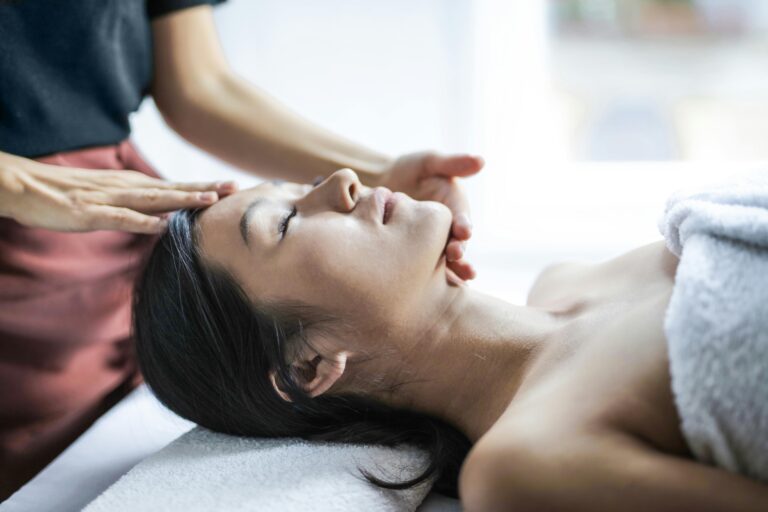
A craniosacral therapy session is a gentle treatment modality involving non-invasive hands-on therapy following subtle movements of fascia. The primary locations include the skull, spine, and pelvis. Hand placements are focused on areas of restrictions to facilitate the body to gently release fixations, restrictions, or imbalances. Most people tend to feel relaxed or even fall asleep. Other sensations commonly felt during a session are tingling, heat, and subtle movements. Treatment time can vary, but often lasts up to 60 minutes.
CST benefits a variety of conditions
Craniosacral therapy is often used alongside conventional and naturopathic medicine, and in combination with acupuncture, massage, and chiropractic care to address a variety of conditions such as:
- Headaches or migraines
- Neck and back pain
- Chronic pain
- Stress and anxiety
- Temporomandibular joint disorders
- Facial pain
- Fibromyalgia
- Insomnia and sleep disorders
- Post-traumatic stress disorder
- Pelvic and sacral disorders
- Infant and childhood disorders
- Central nervous disorders
Emotional well-being effects
In addition to physical conditions, craniosacral therapy emphasizes mind-body healing because mental and emotional aspects are interconnected and influence well-being. Stress reduction and relaxation are an inherent aspect of craniosacral therapy. Promoting balance in the body can support emotional healing and overall wellness through stress reduction and relaxation. This leads to improvements in cerebrospinal fluid rhythms and less restrictions. The release of tension and restrictions corresponds to emotional and psychological release. This process facilitates emotional wellbeing and generates a sense of feeling calm. Craniosacral therapy aims to promote balance and optimal functioning within the craniosacral system and support harmony of the body, mind, and spirit.
Book a session with Dr. Julia Kuebelbeck to experience the magic of CST
www.virtualintegrativespecialists.com/get-started