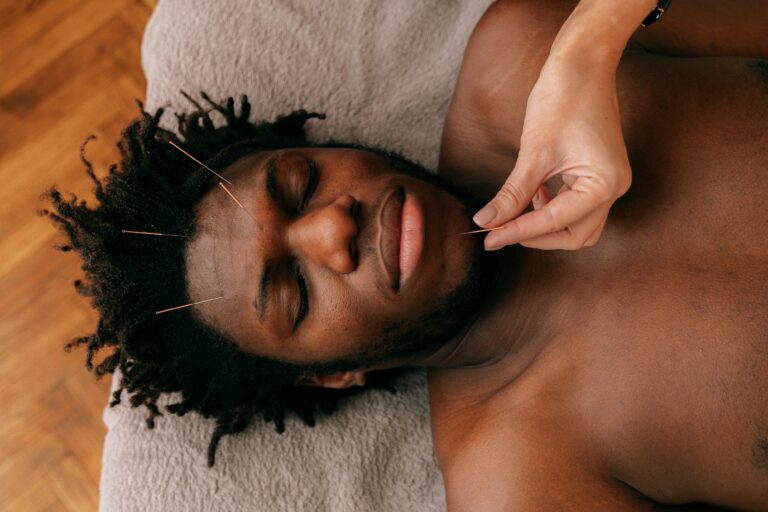
Acupuncture is a traditional Chinese medicine practice that involves inserting thin, sterile needles into specific points on the body to balance the flow of energy, or “Qi.” This technique aims to promote healing, reduce pain, and improve overall well-being by stimulating the body’s natural processes. Acupuncture offers a powerful way to address a wide range of symptoms, from chronic pain and stress to digestive disorders and sleep problems.
What to Expect During a Treatment
Many people think acupuncture is painful, but for most it’s not. The needles are as thin as a thick hair. You might feel a slight discomfort upon insertion, but not pain. After insertion, you may notice warmth, heaviness, tingling, or even dull sensations. Some don’t feel anything. During the session, you’ll relax in a peaceful, dimly lit room for about 20 to 30 minutes. You might even fall asleep!
Preparation Tips
- Eat Lightly: Have a light meal or snack before your appointment to avoid feeling faint.
- Wear Comfortable Clothes: Loose, comfortable clothing makes it easier to access acupuncture points.
- Hydrate: Drink plenty of water before and after your session.
How Does it Work?
Traditional Chinese Medicine Perspective
In TCM, acupuncture works by balancing the flow of energy, or “Qi,” through pathways in the body called meridians. When the flow of Qi is disrupted, it can lead to illness or discomfort. By inserting needles into specific acupuncture points along these meridians, acupuncture aims to restore the harmonious flow of Qi, thereby promoting healing and balance.
Modern Scientific Perspective
From a modern scientific standpoint, the effects of acupuncture are explained through several physiological mechanisms:
Neurotransmitter Release: Acupuncture stimulates the release of various neurotransmitters and hormones, such as endorphins, which are natural painkillers. This helps reduce pain and promote a sense of well-being.
Nerve Stimulation: The insertion of needles at specific points stimulates nerves, which send signals to the brain and spinal cord. This can trigger the release of natural chemicals in the body that influence pain perception and mood.
Blood Flow: Acupuncture increases blood flow to the areas where needles are inserted. Improved circulation can help reduce inflammation, promote healing, and relieve pain.
Immune Response: Acupuncture may enhance the immune system by stimulating the production of immune cells, improving the body’s ability to fight off infections and recover from illnesses.
Regulation of the Autonomic Nervous System: Acupuncture can influence the autonomic nervous system, which controls involuntary bodily functions such as heart rate, digestion, and respiratory rate. This can help reduce stress, improve digestion, and regulate other physiological processes.
Acupuncture offers a multitude of benefits that extend beyond just symptom relief. Whether you’re dealing with chronic pain, high stress levels, sleep disturbances, or simply seeking to boost your overall wellness, acupuncture offers a safe, natural, and effective way to improve your health and enhance your quality of life.